11.27 | giving thx to indigenous voices at COP30
This year, I’m glad I get the choice to focus on something somewhat more hopeful and vastly more interesting instead: Indigenous voices in international climate change!

✉️ letter #72
We’re about to enter Thanksgiving, a holiday which I have historically held much ambivalence towards. I still feel it’s weird to continuously whitewash a history of genocide and very modern injustices against Native American populations using floats, food, and football, but this year, I’m glad I get the choice to focus on something somewhat more hopeful and vastly more interesting instead: Indigenous voices in international climate change!
🎼 the soundtrack | ALATAU - OTYKEN
Sometimes the algorithm actually gets me and recommends me gems like this indigenous Siberian dance folk-pop group.
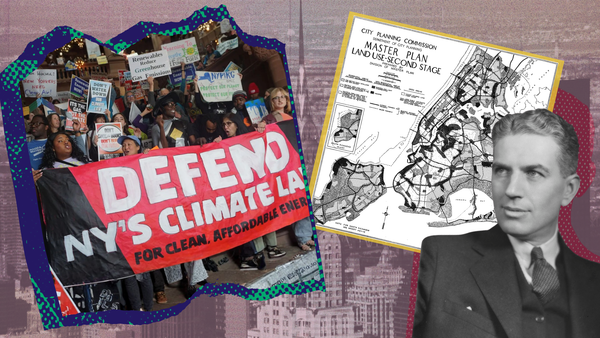
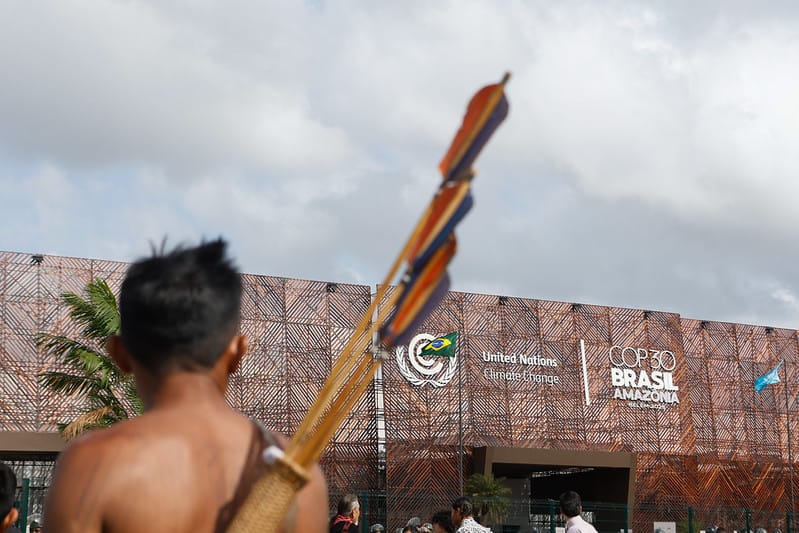
I’m in the midst of doing a group project (yes, another one) for one of our classes: a poster that’s about multilateral approaches to international climate justice. We’ve been focusing on what indigenous people are doing at COP30, the global annual UN climate change conference. But the entire “poster paper” is limited to under 800 words, which I feel is barely enough to even begin summarizing the topic. So instead I’m throwing all the notes that wouldn’t fit onto my website.
 elaine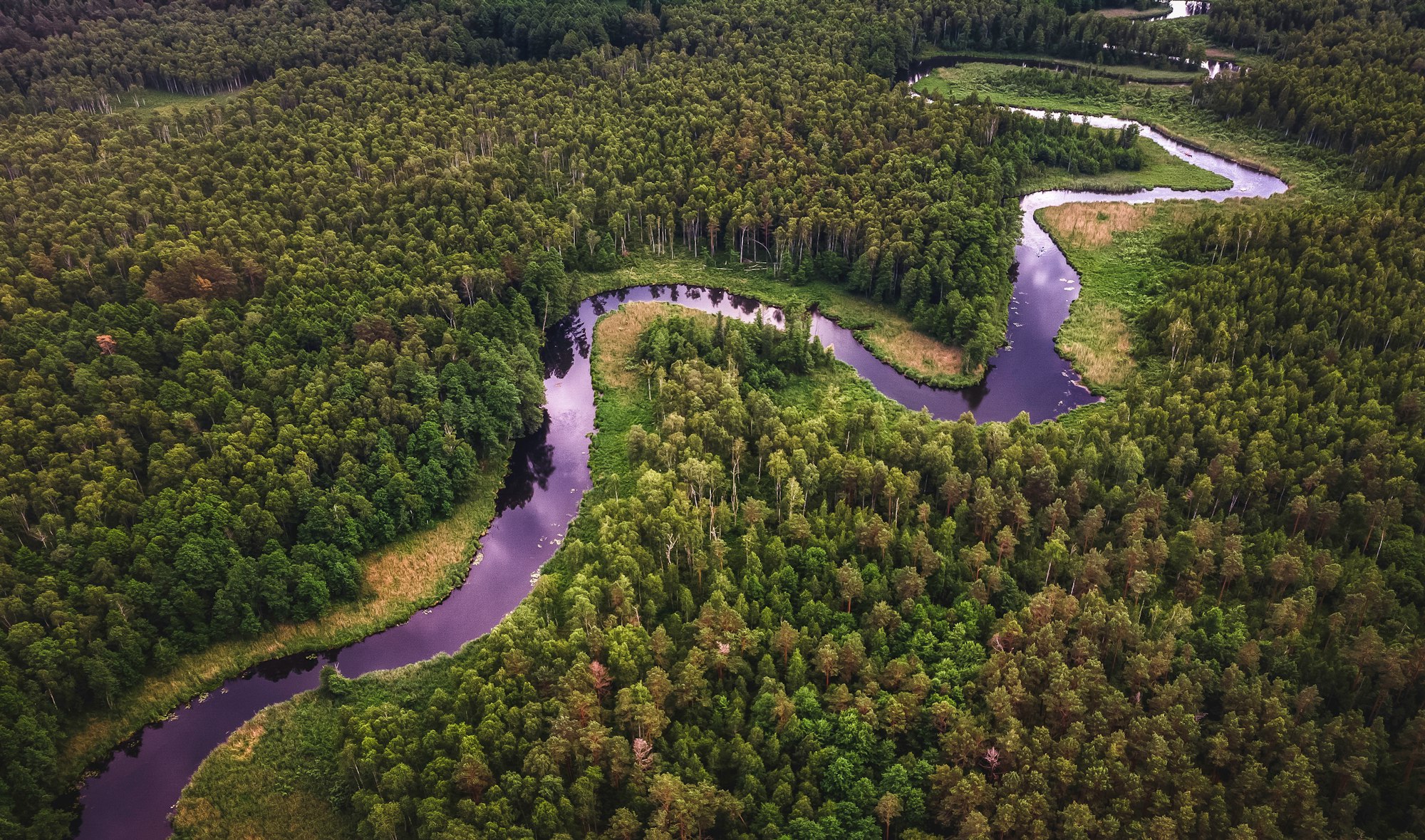
I ended up writing nearly 2300 words. Good god. And this isn't even graded. In fact, this took a good 6-7 hours of time I barely have away from all the work I need to do that is graded and/or is going to help pay for my things.
Welp. There's just not much I can do about having ADHD I guess except to embrace the Wu Wei of it all and let it lead me down rabbit holes so that I have even more esoteric knowledge to corner people at bars with.
🪢related threads
I'll keep this short because frankly, there's several dozen links up in that mega-article already.
- You can see what tribes used to live where you live now in the North Americas utilizing this link: [Native-Land.ca]
- Ever wanted to cook Native American cuisine? This website's collected a bunch for you to try out. [First Nations]
- That reminds me that the only time I've actually had Native American food cooked by Native Americans was on a trip up to Quebec City at a restaurant called Sagamité. I mostly liked it, though I get the feeling I didn't order right. I was dining alone, and their most interesting dishes seemed to require at least two other people sharing with you.
Canada seems to do a lot more for native representation than we do here in the United States. Besides land acknowledgements, I barely ever see anything being done to celebrate indigenous heritage... well, at least here in New York.
✨enjoying: a piece of pop culture fun
Another Canadian First Nations project, this comic book!

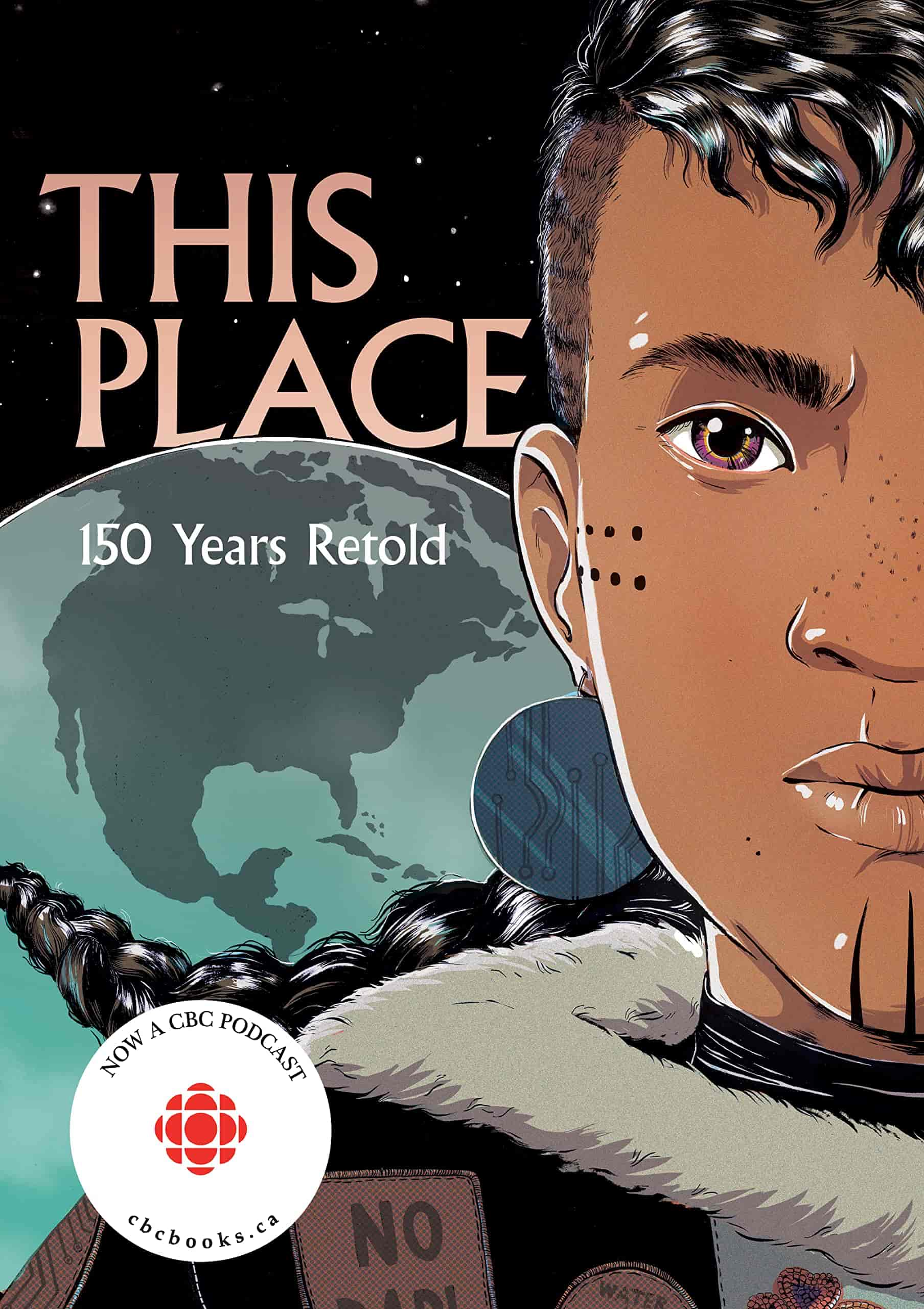
Which I read earlier this year after deciding to get into more Native American fiction – particularly sci-fi. The idea of "Indigenous Futurisms" had first piqued my interest a couple of years ago when I first heard it on the Imaginary Worlds podcast and I was reminded of it this semester when one of our classes contained readings about how expressing their existence in the present and future, while weaving in their experience of the past, is an act of resistance in a world that constantly acts to erase them.
In that vein, I've also been reading through the book 1491: New Revelations of the Americas before Columbus. It's taking a while, because every time I go through a chapter, I end up collecting a ton of screenshots and feeling a desperate need to regurgitate everything I just learned to everyone. In it, Charles Mann not only digs into the context of why the world looked the way it did when the colonists came (for instance, why Eastern coast tribes were so helpful of the pilgrims when they arrived), but also offers incredible descriptions of what life was life when these cultures were thriving. Because something I was never really taught in American school was that there was a complex, thriving culture living on this continent pre-Columbus – possibly more people across the Americas than in Europe. Then, a strange foreign disease spread through them like wildfire.
🗨️a final quote
I think in a colonial mindset, you're fearing, you know, the invasion, whether it's like the alien invasion or the impending apocalypse or whatever doom is going to happen. But from an indigenous perspective, if that doom has already happened, then you might think that we are better equipped to deal with that... in terms of like climate catastrophe, it's like what can we look at from indigenous worldviews and values that could help us in the situation that we all find ourselves in, whether we're indigenous or not.
-- Danis Goulet on Imaginary Worlds Ep #211: Indigenous Futurisms
Stalk me on Social Media
Instagram | TikTok | LinkedIN | Twitter | Goodreads | Spotify